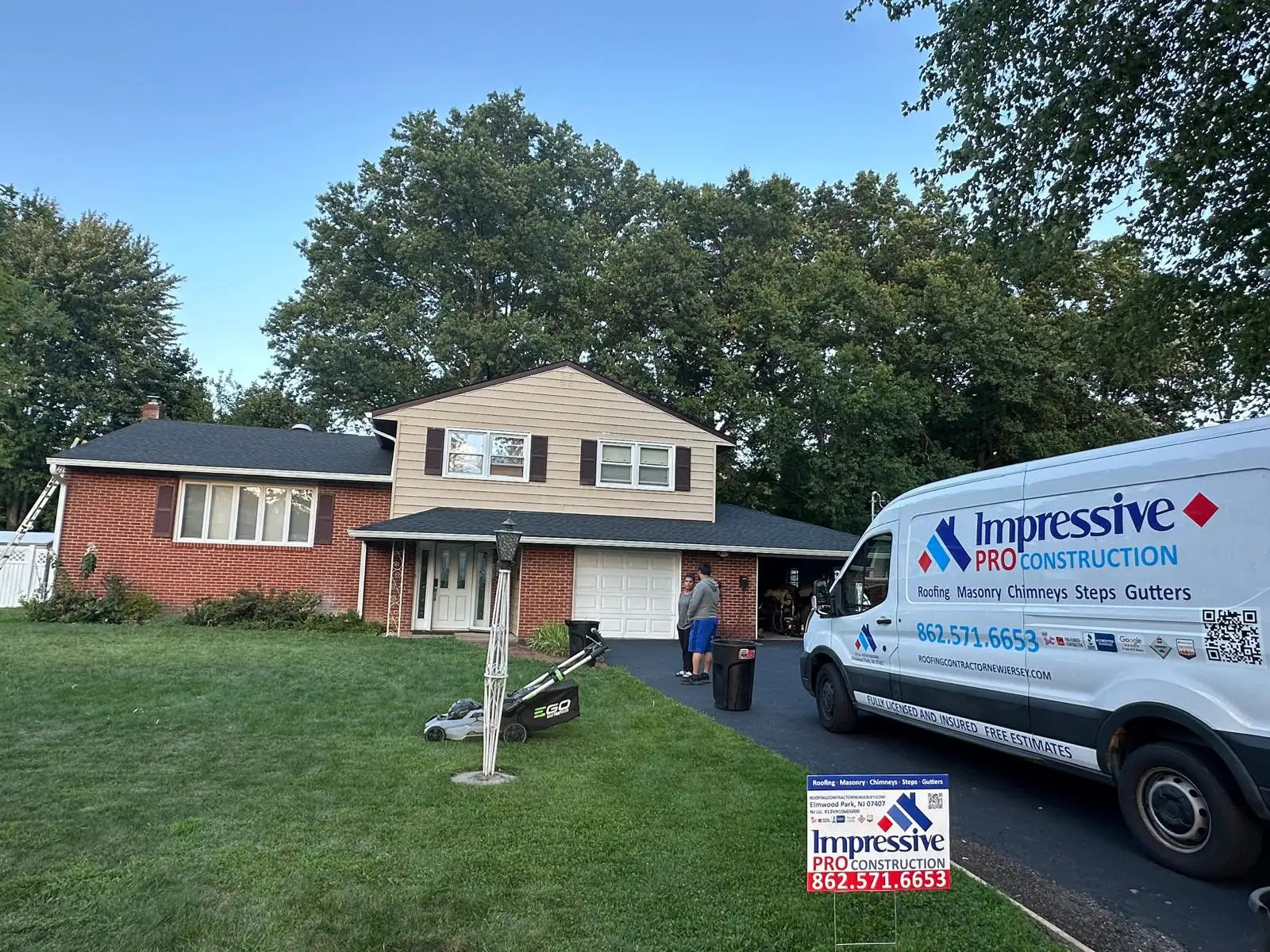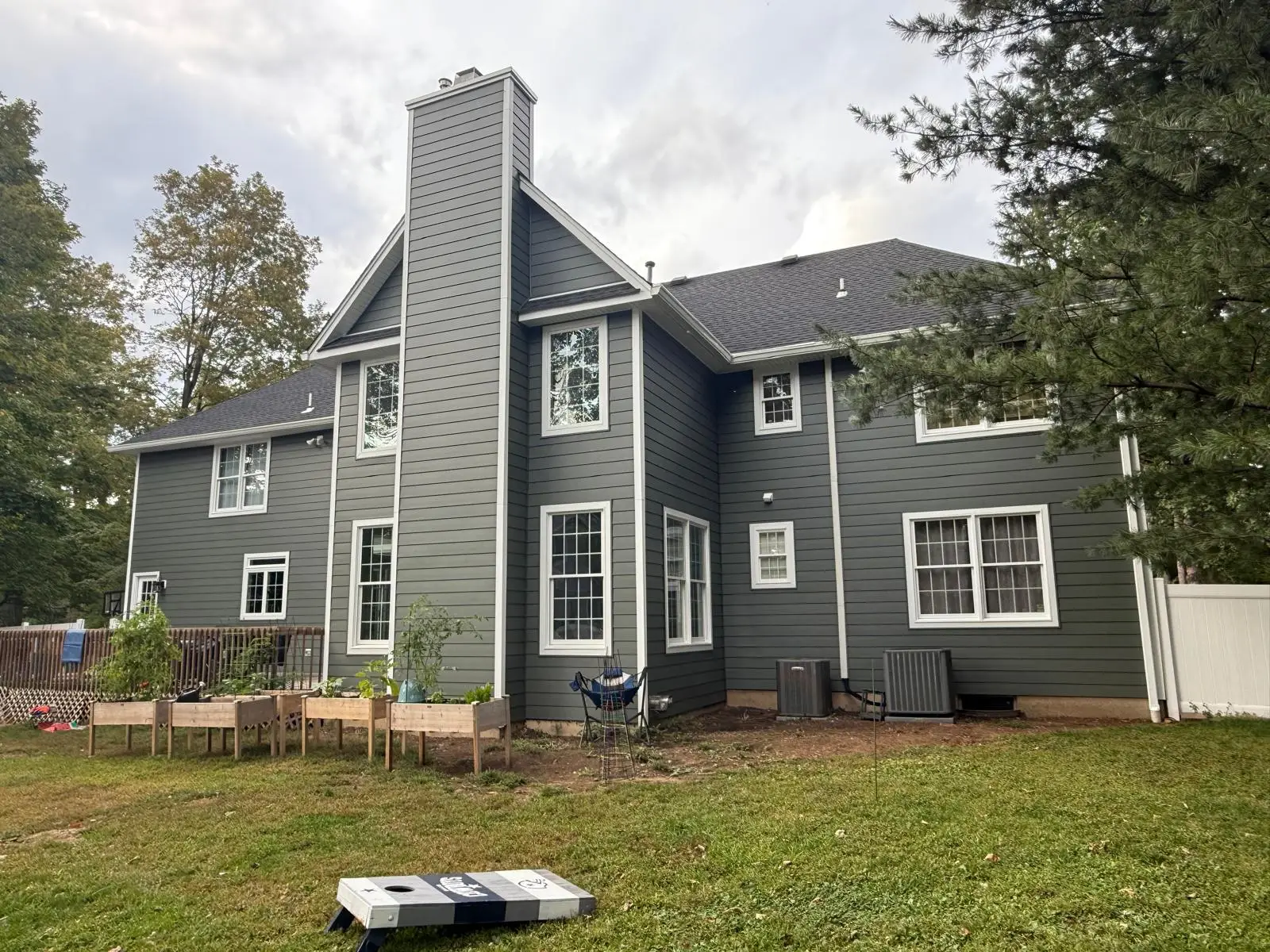
Siding does not fail all at once. It lets a little water in behind one panel, then a little more, and by the time there is a stain inside the house the wall behind it has been wet for a long time. A slow walk around the outside twice a year catches most of it early.
Here is what to look for.
1. Panels that are warped, cracked or loose
Run your eye along each wall. Panels should sit flat and straight. A panel that bulges, has slipped out of line or rattles in the wind has an opening behind it.
2. Gaps at corners and around windows
Most water gets in at the edges, not through the middle of a wall. Look where siding meets corner posts, window and door trim, and the roofline. Open seams and missing caulk are entry points.
3. Soft or rotted trim
Press on the wood trim around windows and doors and along the bottom of the walls. If it gives, flakes or feels spongy, it has been holding water.
4. Stains and streaks
Dark streaks running down from a seam or a window corner show the path water is taking. Green or black growth on a shaded wall means that area stays damp.
5. Peeling paint or damp patches inside
Bubbling paint, loose wallpaper or a musty smell on the inside of an outside wall often traces back to siding or flashing on the other side.
6. Fading and chalking
Colour that has faded badly, or a powdery residue that comes off on your hand, means the surface has weathered. On its own it is cosmetic. Together with any of the signs above, it tells you the siding is near the end of its life.
Repair or replace?
One damaged area on otherwise sound siding can be repaired by replacing those panels. When the damage is on several walls, or the material is brittle everywhere, replacing the siding is the better value, and it is also the chance to change the colour of the house.
If you are not sure which you are looking at, we will come out, check the walls and what is behind the damaged spots, and give you a free estimate.